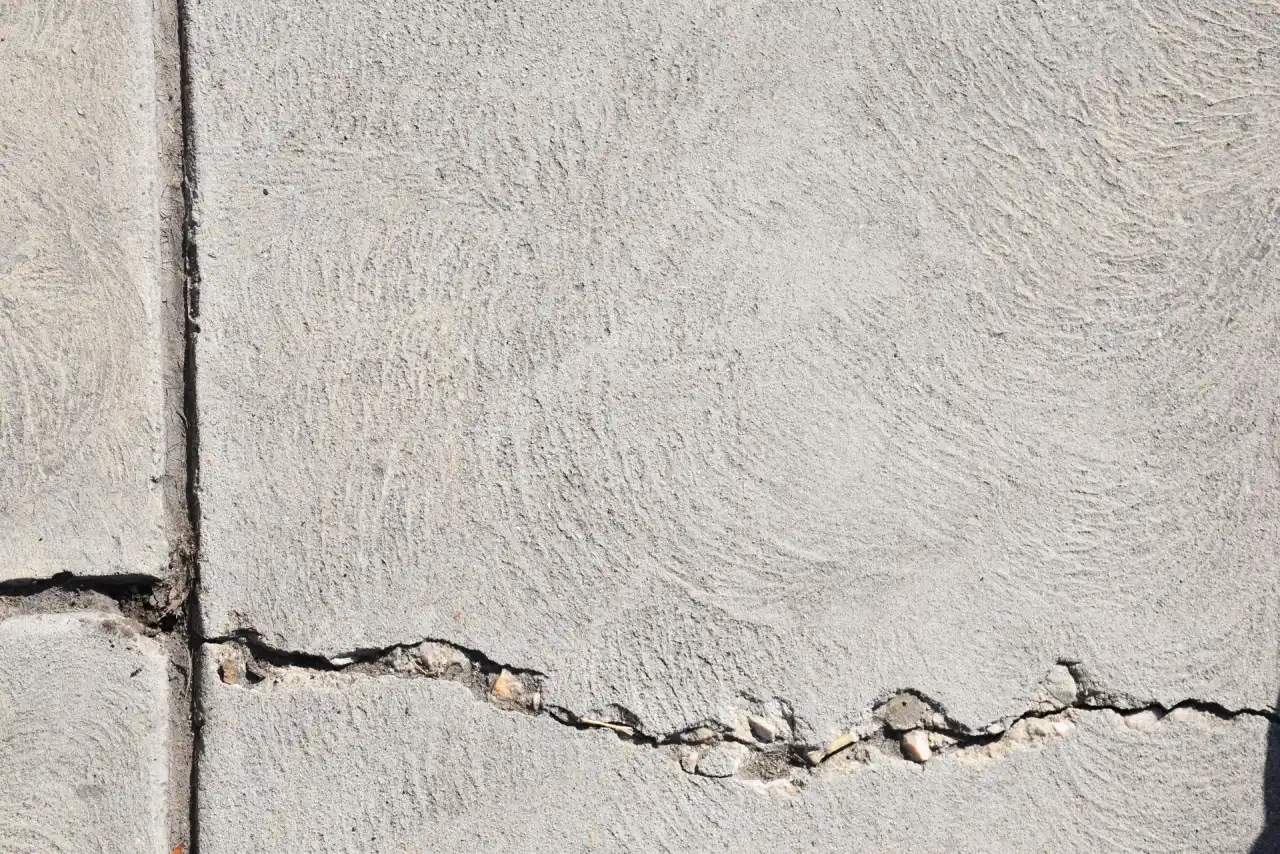
Concrete Repair in Duluth, MN — Cracks, Spalling & Deteriorating Concrete
Repairs where repair is the right answer, and a straight answer when it isn't. Assessed on-site, because the useful question is whether the slab is still moving.
Concrete Repair Services in Duluth, MN
Duluth Premier Concrete is your local resource for concrete repair throughout Duluth and St. Louis, Carlton & Lake Counties and the Twin Ports. We work with experienced concrete contractors who will tell you when a slab is worth repairing and when the money is better spent replacing it.
Most people calling about concrete repair are really asking one question: do I have to replace this? The answer comes down to whether the slab is still moving. A crack where both sides sit level, in concrete that's otherwise sound, is a maintenance item — it gets routed and filled and it stops being a problem. A crack where one side has stepped up, or a slab that's settled at a corner, is a symptom, and the cause is under the concrete where no repair material reaches.
The second thing worth knowing is what this climate does specifically. Scaling — the surface flaking off in sheets and leaving aggregate exposed — is a freeze-thaw and de-icing salt story, not a strength one, and it usually means either the mix lacked entrained air or the surface got finished too early and trapped bleed water in a weak skin. Spalling at edges and joints is the same process concentrated where water collects. Pop-outs are individual aggregate particles near the surface that absorbed water and burst. None of these are workmanship failures in the sense people assume, and all of them respond differently to repair. A contractor who diagnoses which one you have before quoting a product is doing the useful part of the job.
What's Included in a Duluth Concrete Repair Quote
- On-site assessment of whether the damage is surface-only or the slab has moved
- A straight recommendation between repair, partial panel replacement and full replacement
- Crack routing to a clean, sound profile rather than filling over loose edges
- Removal of all unsound, delaminated and contaminated concrete back to solid material
- Surface profiling — grinding, scarifying or shot blasting — so a repair material can actually bond
- Flexible semi-rigid filler on moving cracks; bonded repair mortar on static ones
- Partial-depth patching at joints and edges, formed and finished to match the surrounding grade
- Full-depth panel replacement where saw-cutting a panel out is the honest fix
- Joint cleaning and resealing, since open joints are how water gets underneath in the first place
- Correction of the water source where drainage caused the damage, so the repair isn't temporary
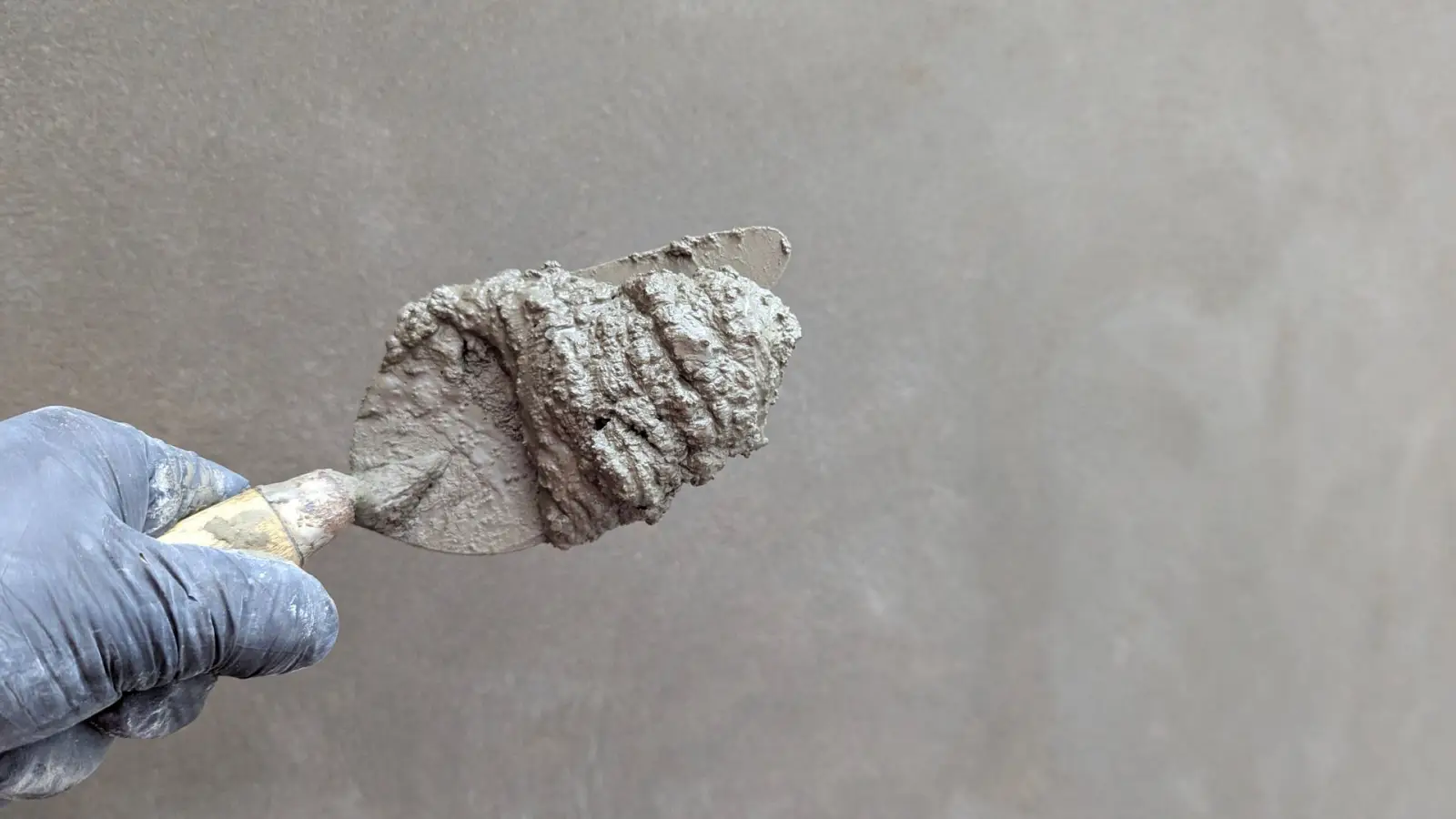
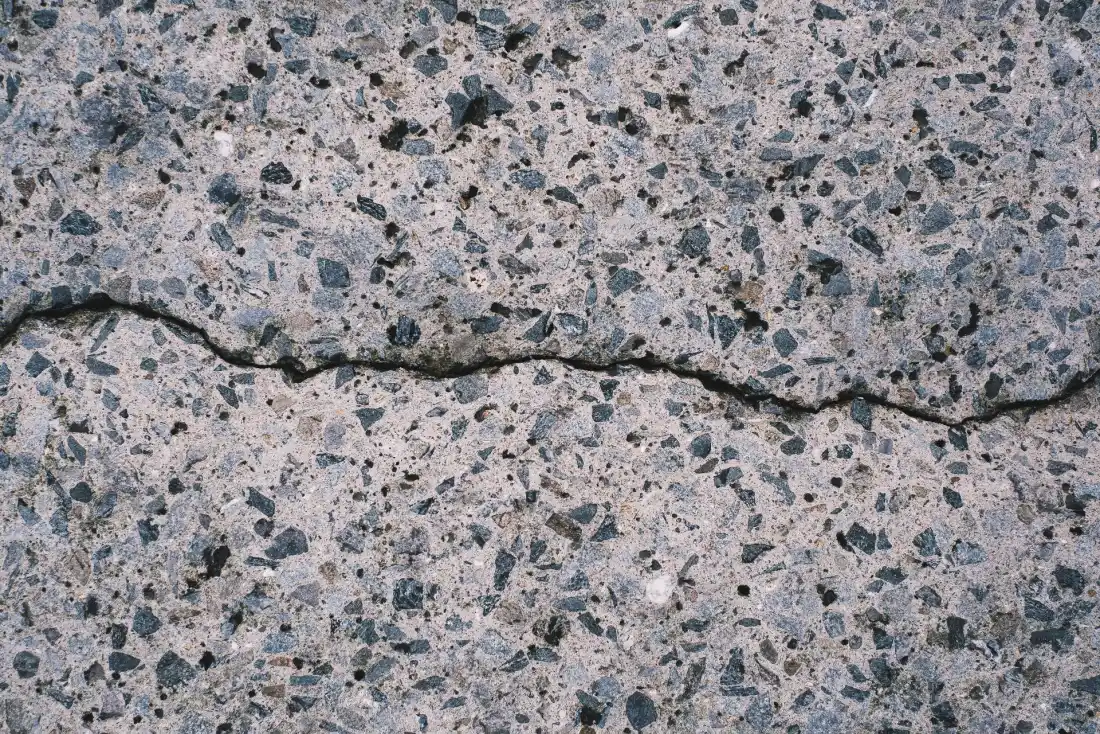
Concrete Repair Services in Duluth, MN
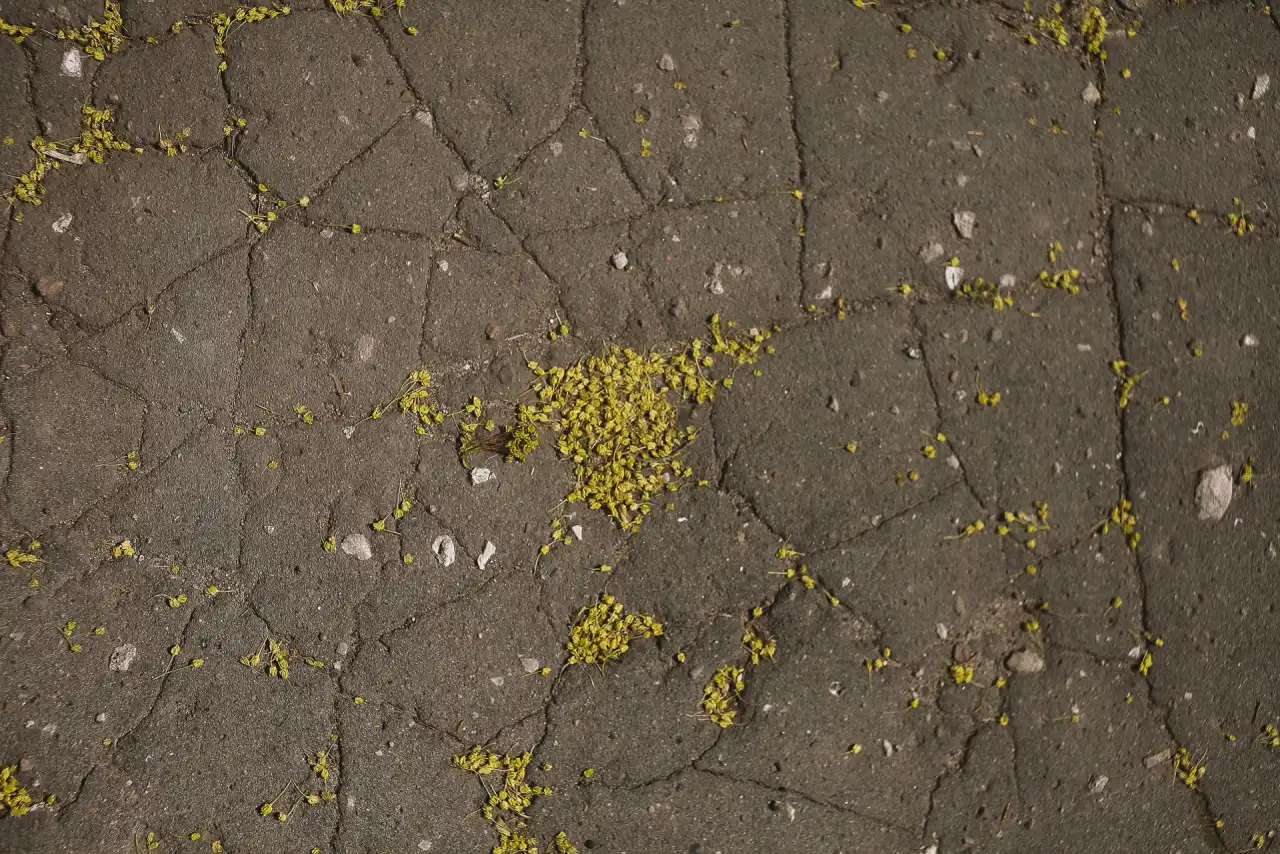
Cracked Concrete Repair
Cracks divide into two categories and the treatment is completely different. A static crack — shrinkage cracking that formed as the concrete cured and hasn't moved since — can be routed out to a clean profile and filled with a rigid bonded material, and once the surface is dressed it largely disappears. A working crack moves seasonally as the slab expands, contracts and heaves, and filling it with anything rigid just relocates the crack a few inches away from the fill. Working cracks get a flexible semi-rigid filler that can accommodate the movement. Telling them apart takes looking at the crack's edges, its width, whether it lines up across a joint, and whether previous repairs at the same spot have failed. The other honest category is a crack that's a symptom of settlement — those don't get repaired, they get diagnosed, because filling one is cosmetic work on a slab that's still going somewhere.
Concrete Driveway Repair
Driveways collect a specific set of problems. The apron at the street settles away from the slab and leaves a lip that catches a plow blade. Surface scaling appears in the wheel tracks and near the garage, where salt-laden slush drips off vehicles and sits. Cracks radiate from re-entrant corners — the inside corner where a driveway widens or turns — because that's where shrinkage stress concentrates and where a control joint should have been. The useful thing about a driveway is that its joints make it modular: a single failed panel can often be saw-cut out and replaced for a fraction of the cost of the whole drive, and the new panel will read as a different shade for a year or two and then blend. Where scaling covers most of the surface but the slab underneath is sound and level, resurfacing with an overlay is a real alternative to replacement.
Concrete Patio Repair
Patio repairs skew toward surface problems and toward drainage. Scaling and crazing across a patio surface is common and often traceable to the finish rather than the mix — a surface trowelled while bleed water was still on it has a weak layer at the top that eventually delaminates. That can be resurfaced with a polymer-modified overlay once the loose material is removed, provided the slab underneath is sound. Settlement is the other frequent call, and on a patio it matters more than it would elsewhere, because a patio that has settled toward the house is now delivering water at the foundation. That gets fixed rather than filled: either lifting the settled section back to grade, or removing and rebuilding it on a properly compacted base. Cracks in patios are frequently benign, and a patio with a tight, level crack rarely justifies the disruption of replacing it.
Concrete Sidewalk & Walkway Repair
Sidewalk repair is mostly about trip hazards, which makes it a liability question. A panel that has heaved or settled relative to its neighbor leaves a lip, and there are three fixes at three price points. Grinding shaves the high edge to a taper and is the cheapest and fastest, appropriate where the lip is modest and both panels are structurally sound. Slabjacking or polyurethane foam lifting raises a settled panel back to grade by injecting material into the void beneath it, which works well when the panel is intact and something washed out below it. Full panel replacement is the answer when the concrete itself is broken through, badly scaled, or when the panel has heaved rather than settled — because heaving is being driven by something underneath that has to be excavated and dealt with. The right one depends on why the panel moved.
Damaged & Deteriorating Concrete Repair
The broader category: spalling at joints and edges, widespread scaling, pop-outs, exposed and rusting reinforcement, and concrete that has simply reached the end of a long life. Rusting steel is the one to take seriously, because corroding rebar expands and pushes the concrete off — once you can see rust staining and a delaminated area sounds hollow when you tap it, the repair has to go past the steel, clean or replace it, and treat it before new material goes on. Simply patching over rusting reinforcement produces a repair that pops off along with more concrete a couple of years later. Widespread deterioration is where the honest conversation happens: patching thirty separate areas across a slab costs more than replacing it, looks worse, and doesn't reset the clock. There is a point where repair stops being the economical choice, and a good assessment says where that point is.
Concrete Repair vs. Replacement — Which One You Need
Repair makes sense when
The slab is level and stable, damage is localized, the concrete under the damage is sound, and there's no ongoing cause still at work. Tight cracks, a spalled joint edge, one scaled area, a chipped step nosing — all good repair candidates, and all far cheaper than replacement.
Replacement makes sense when
The slab has moved — cracks that have stepped out of level, a settled corner, a heaved panel. Or when deterioration is widespread enough that you'd be patching most of the surface. Or when the base underneath has failed, since no surface repair reaches it.
Resurfacing sits between them
Where the slab is structurally sound and level but the surface is worn, scaled or dated, a polymer-modified overlay restores the surface without the cost of tear-out and replacement. It's a real option and an underused one, but only over concrete that isn't moving.
The false economy to avoid
Repeatedly patching a slab that's still moving. Each repair is cheap, each one fails, and after four or five rounds you've spent replacement money on a driveway that looks patched. If a repair at the same spot has already failed once, that's information about which category you're in.
Signs Your Concrete Needs Repair
- Cracks where one side has stepped up relative to the other, leaving a lip
- The surface is flaking away in sheets or patches, exposing the aggregate beneath
- Small cone-shaped craters across the surface where aggregate particles have burst
- Spalling and crumbling along joints and edges, particularly where water collects
- Rust staining, or an area that sounds hollow when tapped — usually corroding reinforcement
- A slab that has settled enough to pond water or to send it toward the house
- Joints that have opened up and lost their sealant, letting water underneath
- A previous patch that has failed, popped off, or is now cracked itself
How Concrete Repair Works
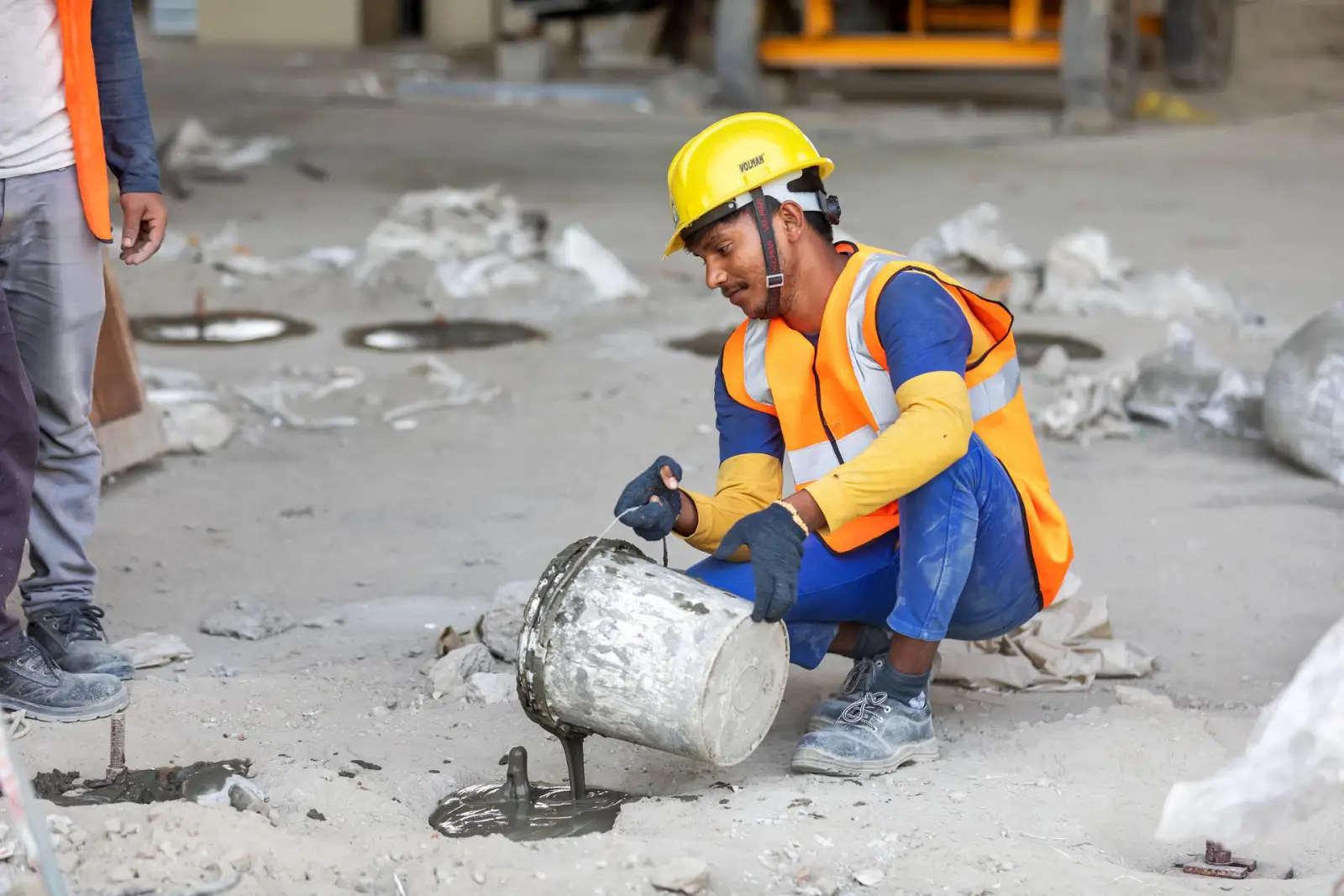
- 1
Diagnose the damage and find the cause
The assessment answers two questions before anything else. First: is the slab moving, or is the damage confined to the surface? A straightedge across a crack settles most of that — if the two sides are level and the crack edges are tight, this is surface work; if there's a step, the ground underneath is involved and no repair material addresses it. Second: what caused this, and is it still happening? A downspout discharging beside a settled panel, a joint that has been open for years letting water under a slab, a driveway that pitches toward the garage, a slab with no control joints — each of those will produce the damage again after any repair. Sounding the concrete with a hammer or chain finds delaminated areas that look fine but have separated below the surface, which is how the true extent of a spalling repair gets established rather than guessed.
- 2
Remove everything unsound
This is the step that decides whether a repair lasts, and it's the one most often shortchanged because it looks like destruction rather than progress. All loose, delaminated, cracked and contaminated concrete comes out, back to solid material — which routinely means the repair area ends up larger than the visible damage, sometimes considerably. Cracks get routed out to a clean, consistent profile with sound edges rather than filled over crumbling ones. Where reinforcement is exposed and corroding, the concrete gets removed from all the way around the bar, not just off its face, so the steel can be cleaned or replaced and treated. Edges of a patch area are saw-cut square rather than feathered to nothing, because a feathered edge is thin, weak and the first thing to break away. Then everything gets cleaned — oil, dust, curing compound and old sealer all prevent bonding.
- 3
Prepare the surface so the repair actually bonds
Repair materials fail at the bond line far more often than they fail in themselves. Concrete needs a mechanical profile to grip: grinding, scarifying, shot blasting or high-pressure water, depending on the scale and the material being used. A smooth, sealed, or dusty surface gives a repair nothing to hold. Where the manufacturer calls for it, a bonding agent or a scrub coat of the repair material goes on immediately before placement, within the window the product specifies — applied too early and allowed to dry, it becomes a bond breaker instead. Moisture condition matters too: many cementitious repair mortars want a saturated surface-dry substrate, damp but with no standing water, so the existing concrete doesn't pull mixing water out of the repair and leave it weak and powdery. These are the details that separate a repair still there in ten years from one that's back on the phone in two.
- 4
Place, finish, cure and seal the joints
The material goes on: a bonded cementitious repair mortar for partial-depth patching, a flexible semi-rigid filler for working cracks, a rigid epoxy or polymer for static ones, and full-depth concrete where a panel section has been cut out. Repairs get finished to match the surrounding surface, which on an exterior slab means matching the broom direction so the patch doesn't read as a smooth rectangle. Curing matters as much on a small patch as on a full slab, and more so, because a thin repair with a large surface-area-to-volume ratio dries out fast — that's why patches crack and delaminate. Joints get cleaned and resealed as part of the work, since open joints are the main route water takes to get under a slab. And where the assessment found a water source, that gets corrected too. A repair with the cause left running is a repair with an expiry date.
What Does Concrete Repair Cost in Duluth, MN?
- The true extent of unsound concrete, which is usually larger than the visible damage
- Repair type — crack routing and filling, partial-depth patching, or full-depth panel replacement
- Surface preparation method and area, since profiling is a real share of the labor
- Whether reinforcement is exposed and corroding and needs cleaning, treating or replacing
- Access, and whether the work is a single spot or scattered across a large slab
- Joint cleaning and resealing across the surrounding area
- Correction of the drainage or water source that caused the damage
- Finish matching, which takes longer on a decorative or textured surface than on a broom finish
- Minimum mobilization, which makes very small repairs expensive relative to their size
Repair prices by scope rather than by square foot, and the honest warning is that the scope is usually larger than it looks — sounding the concrete routinely reveals delaminated area well beyond the visible damage, and cutting a patch back to sound material is the only way a repair holds. The risk to weigh isn't cost, it's sequence. Repeatedly patching a slab that is still moving spends replacement money in installments and ends up with a patched-looking driveway. If a repair at the same spot has already failed once, that is worth treating as the diagnosis rather than as bad luck, and worth pricing replacement or resurfacing alongside the next patch.
What to Look for in a Duluth Concrete Repair Contractor
They'll tell you not to repair it
The most valuable thing a repair contractor can say is that a slab is past repairing, or that a crack doesn't need anything at all. Someone who quotes a repair on every slab they look at isn't assessing, they're selling.
They sound the concrete before quoting
Tapping a slab finds delaminated areas that look fine from above. A quote written from what's visible will be revised upward once the removal starts. One written after sounding is a quote you can plan around.
Surface preparation is described, not assumed
Repairs fail at the bond line. A contractor who names the profiling method — grinding, scarifying, shot blasting — and the moisture condition the material needs is a contractor who has read the product data sheet rather than guessing.
They look for the water
Nearly every settlement and heave repair has a water source behind it: a downspout, an open joint, a grade running the wrong way. Fixing the concrete without fixing that is doing the same job again on a schedule.
Residential & Commercial Concrete Repair
Residential
Residential repair is the bulk of this work — a Lakeside driveway apron that has dropped, scaling in a Congdon Park garage approach where salt drips off cars, a Lincoln Park walk with a heaved panel next to a downspout. Most of these are small jobs, and the most valuable part is often the assessment that says which of them actually needs doing.
Commercial
Commercial repair covers parking lot patching, sidewalk trip-hazard correction, joint repair and warehouse floor repair, and it carries different constraints: liability exposure across a large walking surface, phasing so the property keeps operating, and work windows outside business hours. That scope has its own page.
When Concrete Repair Isn't the Right Call
- A hairline crack that's level on both sides. Concrete cracks as it cures — that's the material, not a defect. If it isn't leaking, isn't stepped and isn't catching a shovel, leaving it alone is a legitimate decision.
- A slab that's already been patched three times in the same place. That pattern means the slab is moving, and the next patch will fail too. Price replacement or resurfacing instead and stop paying in installments.
- Deterioration across most of a slab. Once you're patching a majority of the surface, replacement costs less, works better and looks better. Ask for both numbers before committing to a patch programme.
- Structural repair to a foundation. Bowing walls, settling footings and underpinning are a different specialty and start with a structural engineer, not with a repair mortar.
- Anything outside St. Louis, Carlton and Lake Counties. Mobilizing a crew for a small repair a long way out doesn't make economic sense for either side.
Frequently Asked Questions
- Should I repair or replace my concrete?
- The test is whether the slab has moved. Level, stable concrete with localized damage is a repair candidate. Cracks that have stepped out of level, a settled corner or a heaved panel mean the base has failed, and no surface repair reaches that. Where the slab is sound but the surface is worn across the whole area, resurfacing sits between the two.
- Why is my concrete flaking off at the surface?
- That's scaling, and it's a freeze-thaw and de-icing salt problem. It happens when the mix lacked enough entrained air, or when the surface was finished too early and bleed water got worked back into the top layer, leaving a weak skin. Salt makes both dramatically worse. It's a surface failure rather than a strength one, which is why resurfacing is often the right fix.
- Will a concrete repair be invisible?
- No. New material never matches weathered concrete in color, and it won't for a year or more, if ever. Matching the finish texture and the broom direction gets it much closer than a smooth patch on a broomed slab. Anyone promising an invisible repair on exterior concrete is overselling it.
- How long does a concrete repair last?
- It depends almost entirely on preparation and on whether the cause was addressed. A properly prepared partial-depth patch on stable concrete with the water source corrected can last as long as the surrounding slab. The same material over loose concrete, or on a slab that's still moving, can fail in a season or two.
- Can concrete be repaired in winter?
- Most cementitious repair materials need temperatures above freezing to cure, and cold-weather work means heating and protection that costs real money for a worse result. Some rapid-set and polymer materials have lower temperature ratings and can handle an urgent trip hazard. For anything not urgent, spring through fall is the honest recommendation.
- What causes those small craters in the surface?
- Pop-outs. An aggregate particle near the surface absorbs water, freezes, expands and blows off the thin layer of concrete covering it. They're cosmetic and they don't indicate a structural problem, though they do mean water is getting into the surface. A penetrating sealer reduces how many new ones appear.
Learn More
- International Concrete Repair Institute — The trade body for concrete repair — technical guidelines on surface preparation, bond and repair material selection, which is where most repairs succeed or fail.
- ACI — Resistance to Cycles of Freezing and Thawing — The American Concrete Institute on freeze-thaw damage and surface scaling — what's actually happening in a slab that's flaking apart.
- NRMCA — Criteria for Freeze-Thaw Resistant Concrete Mixtures — Why entrained air is the deciding factor in whether exterior concrete survives this climate, and what a mix missing it looks like a decade on.
Need Concrete Repair in Duluth, MN?
Tell us what’s going on and get an on-site estimate — no charge for the visit, and no obligation to book the work.
Get My Free Estimate