DULUTH PREMIERConcrete Contracting
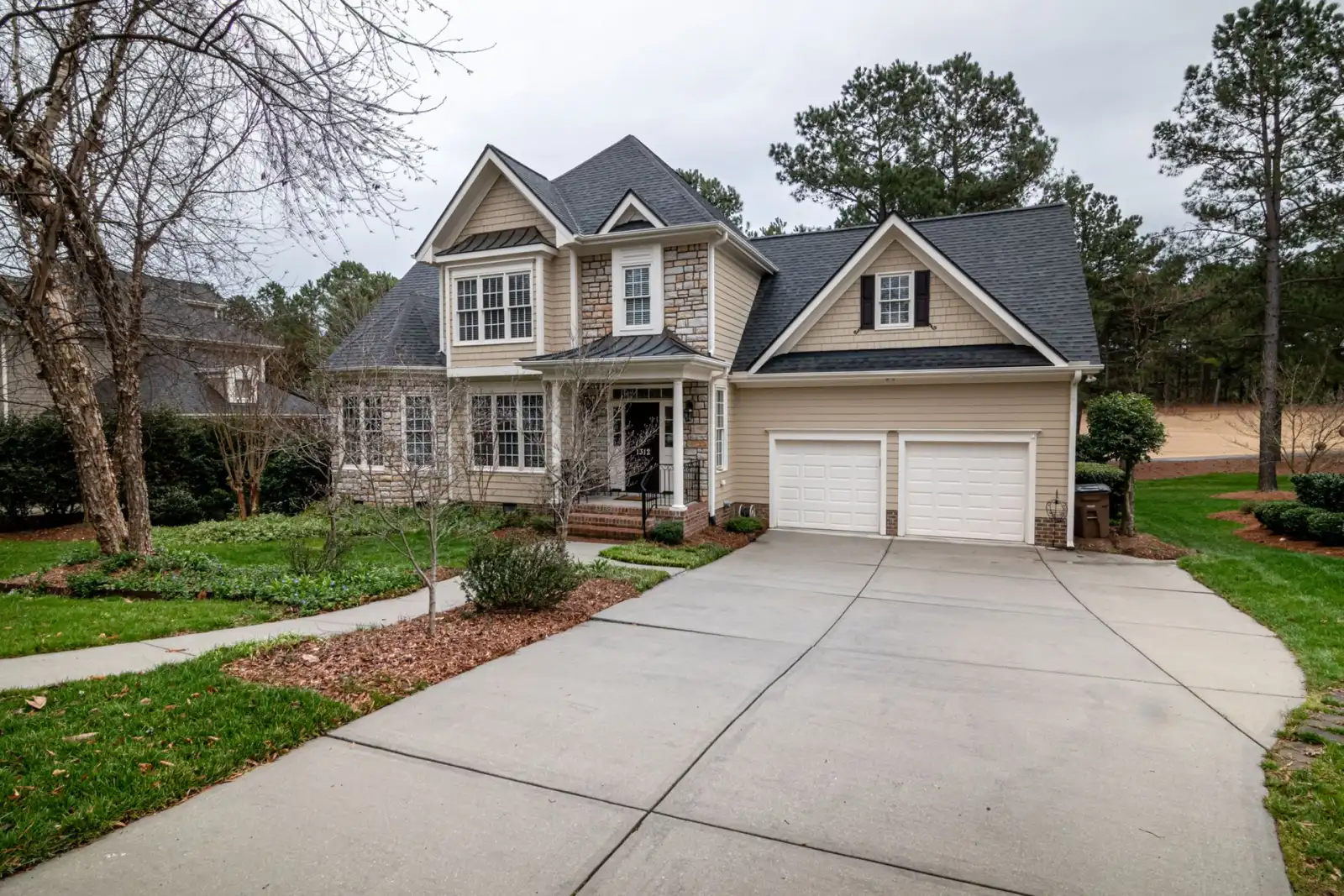
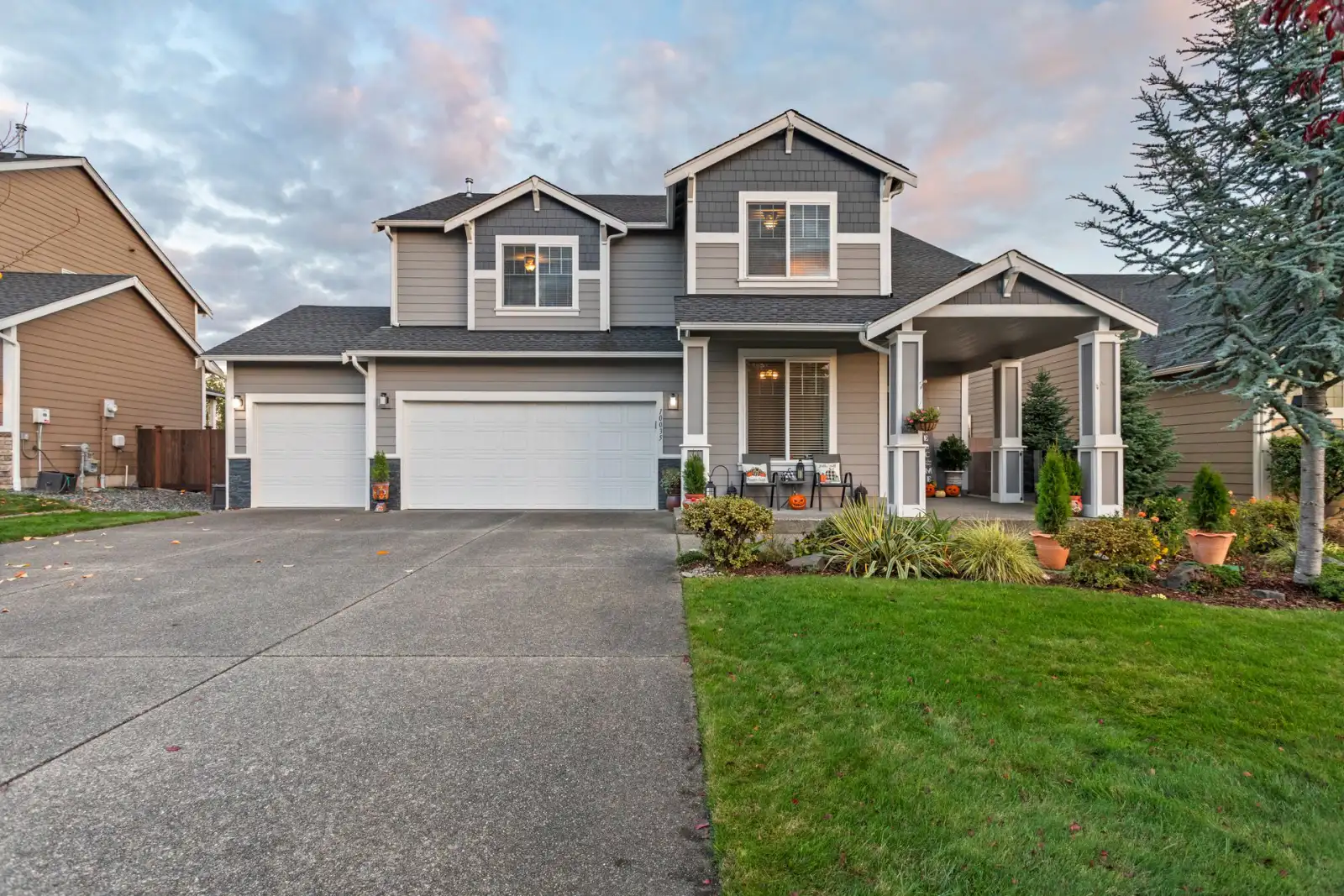
Two-story home at dusk with a wide concrete driveway running to a three-car garage and a concrete front walk
• Serving St. Louis, Carlton & Lake Counties and the Twin Ports

Duluth Premier Concrete:
Residential & Commercial

Concrete Contracting in Duluth, MN

Driveways, patios, steps, garage slabs, foundations and commercial flatwork across St. Louis, Carlton and Lake Counties — specified for gabbro ledge, hillside grades and a frost line that runs 60 inches deep. Estimates are free and there is no obligation to book the work.

Let Us Help You Today

Full Name
Phone Number
Email Address
Zip Code

By submitting this form, you authorize Duluth Premier Concrete to share the information you provide with one or more independent local professionals who may be able to assist with your project. These providers may contact you by phone, email, or text regarding your project. While we may prioritize licensed and insured professionals where available, you are responsible for verifying all credentials before hiring a contractor.

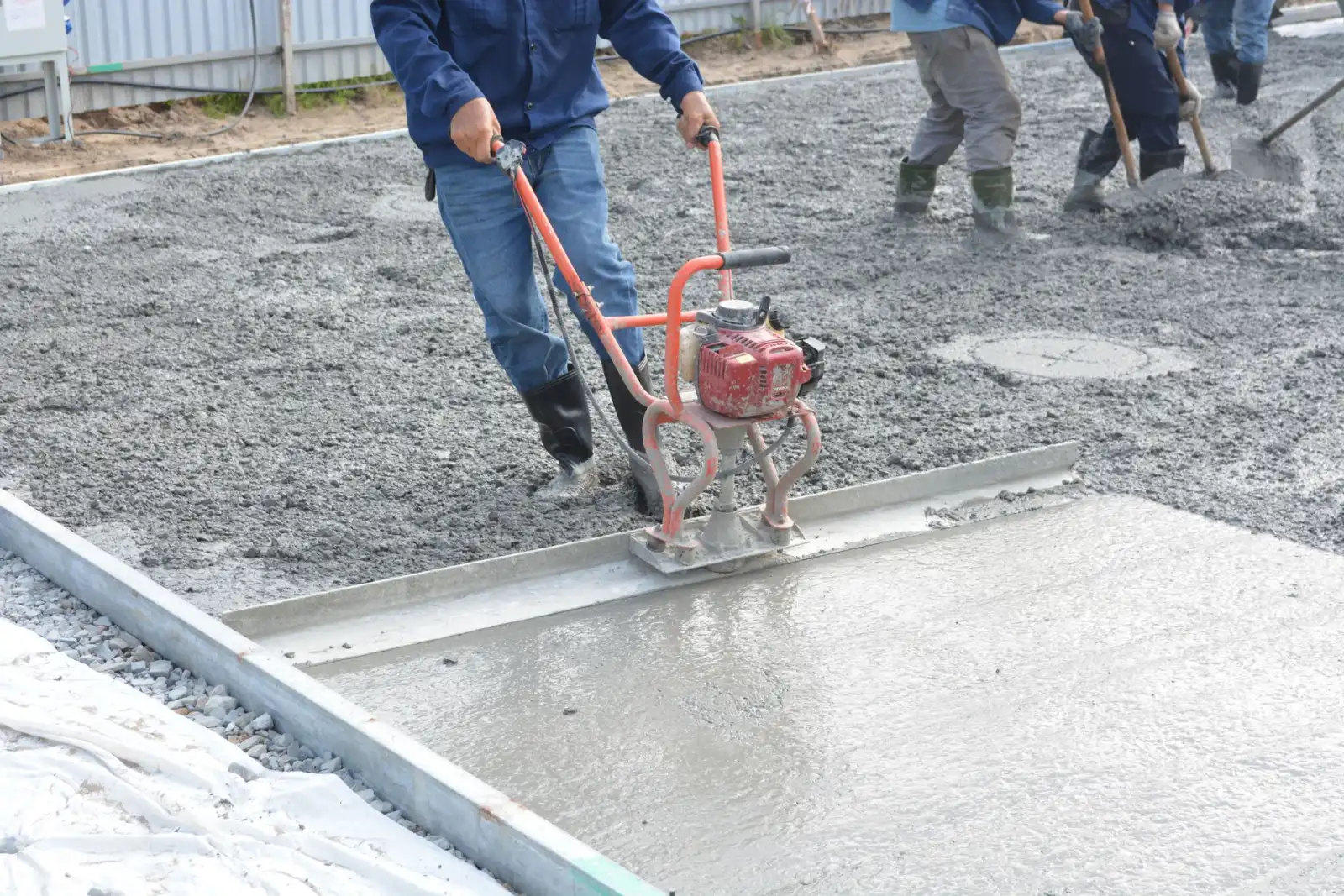
Worker running a power screed across a freshly placed concrete slab while others rake behind him
About Us

Duluth Premier Concrete Is Your Local Resource for Concrete Contracting in Duluth, MN

Duluth Premier Concrete is your local resource for concrete driveways, patios, sidewalks, steps, garage slabs, foundations, resurfacing and commercial flatwork throughout Duluth and St. Louis & Carlton Counties. We work with experienced concrete contractors who build for bedrock, hillside grades and a freeze-thaw cycle that runs most of the year. From a Congdon Park tear-out that turns into rock work eighteen inches down to a West Duluth slab sitting on fill of unknown age, every job starts with somebody standing on the ground and saying plainly what is under it.

  • Driveways, patios, sidewalks, steps, garage slabs, foundations, repair, resurfacing, removal and commercial flatwork
  • Serving Duluth and St. Louis, Carlton & Lake Counties, including Hermantown, Proctor, Cloquet, Superior and Two Harbors
  • Free, no-obligation estimates
Services

Residential Concrete Contracting in Duluth, MN

A hillside driveway, a back-yard patio on a grade, a flight of front steps that has rotated away from the house — they all need the same thing: a base built for 60-inch frost depth and joints cut where somebody planned them, not a fast pour and a smooth finish.

Services

Commercial Concrete Contracting in Duluth, MN

Property managers, retail landlords and warehouse operators all need the same thing: a number that holds once the property is still trading through the work, and a slab thickness worked out from the loads the floor carries rather than from what fits the budget line.

What to Expect

Three Things a Cheap Concrete Quote Leaves Out

A phone number and a truck in the driveway don't make a concrete company. These are the three line items that get thinned first when a bid has to come down, and they are the three that decide whether the slab is still flat in fifteen years.

  • Base Compacted in Lifts

    Four inches of Class 5 aggregate placed in two-inch lifts and compacted between them, because a plate compactor's energy only reaches so deep. Loose aggregate spread to grade is gravel waiting to move, and nothing poured on top of it substitutes for the base underneath.

  • Steel on Chairs, Not on the Ground

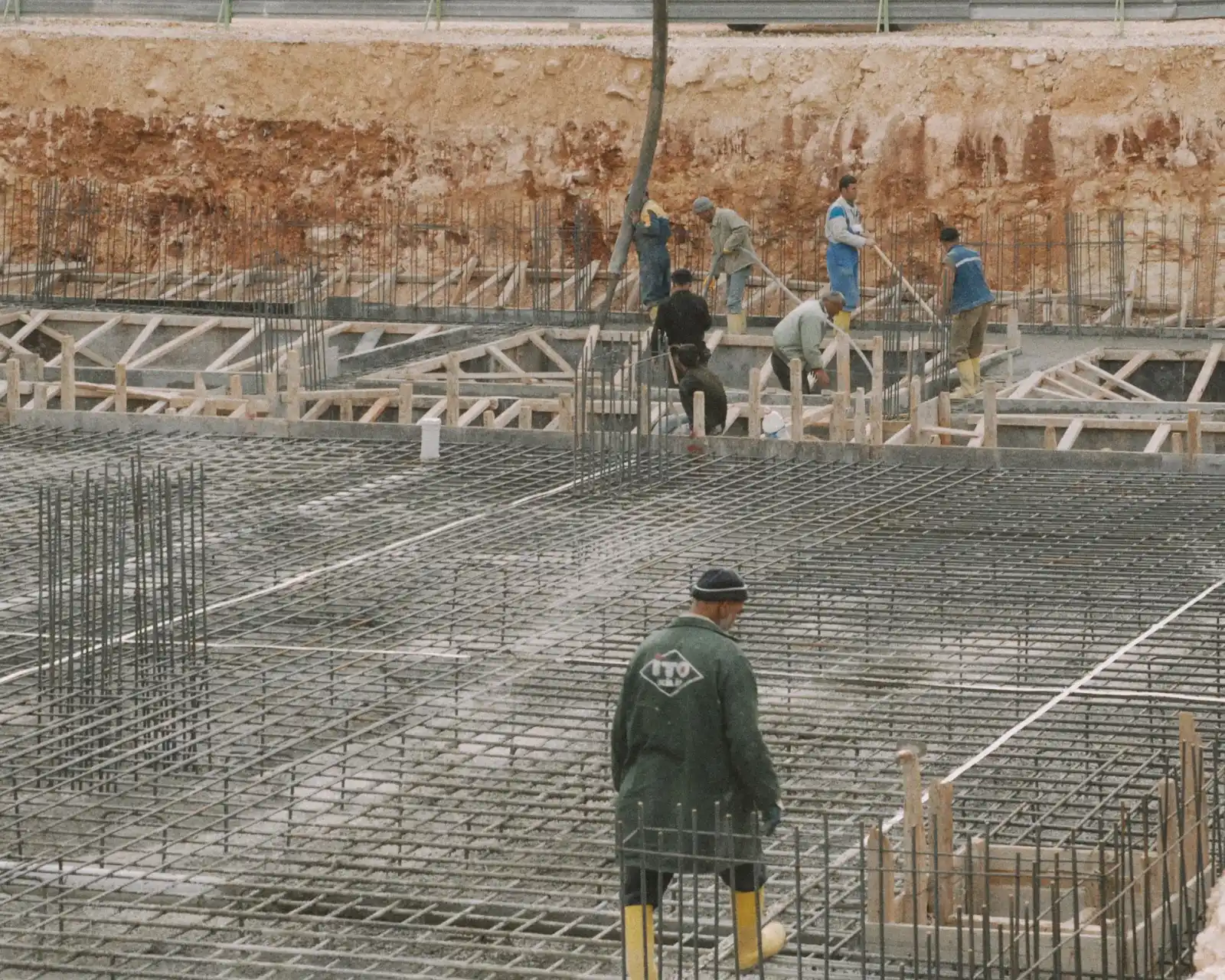
    Rebar only works where it sits in the middle of the slab, tied to a grid and lifted onto chairs. Steel laid on the base and poured over is a common shortcut that costs the same in material and does nothing — it is worth walking the site before the truck arrives and looking for it.

  • Joints Cut in the First Day

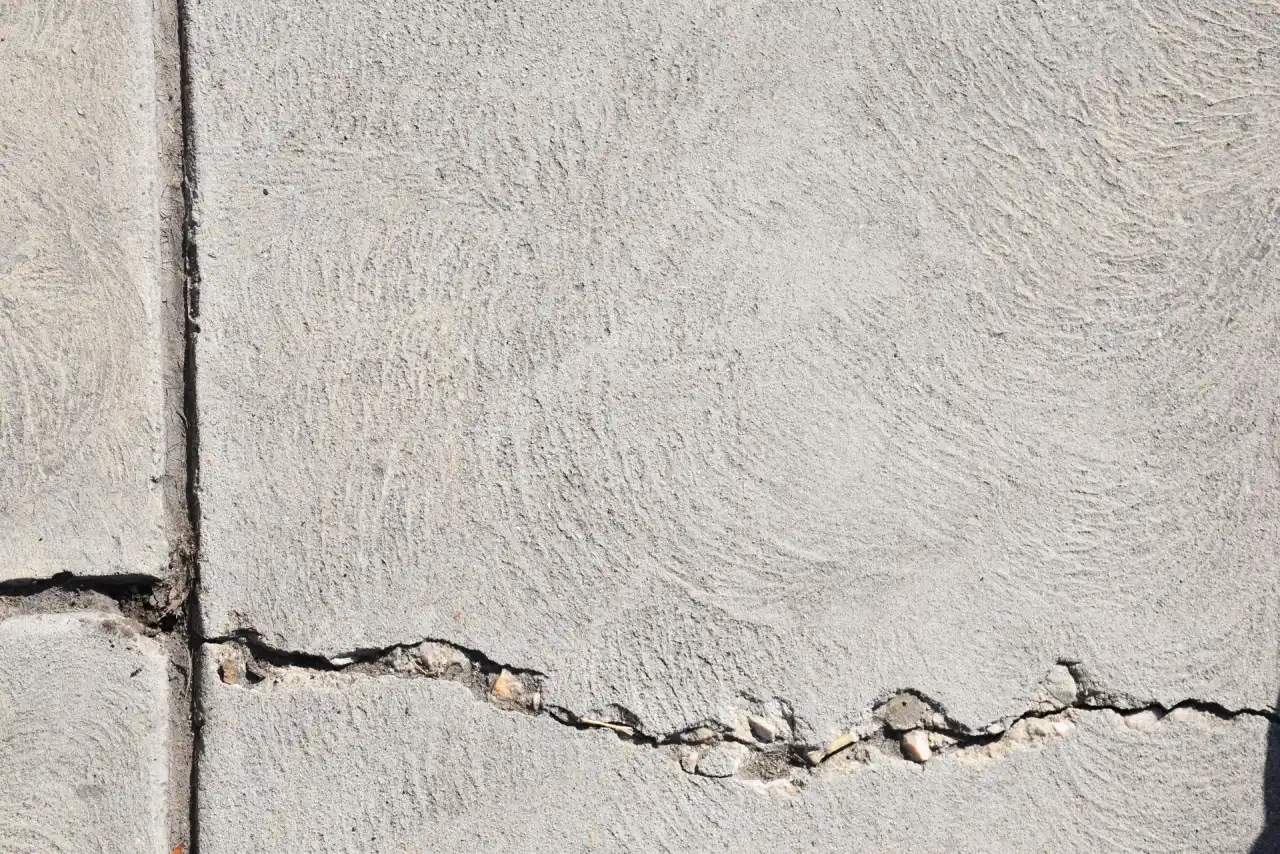
    A slab is going to crack; the only real decision is whether it cracks on a line somebody chose. Control joints get saw-cut within the first day — not three days later, once the slab has already answered the question itself.

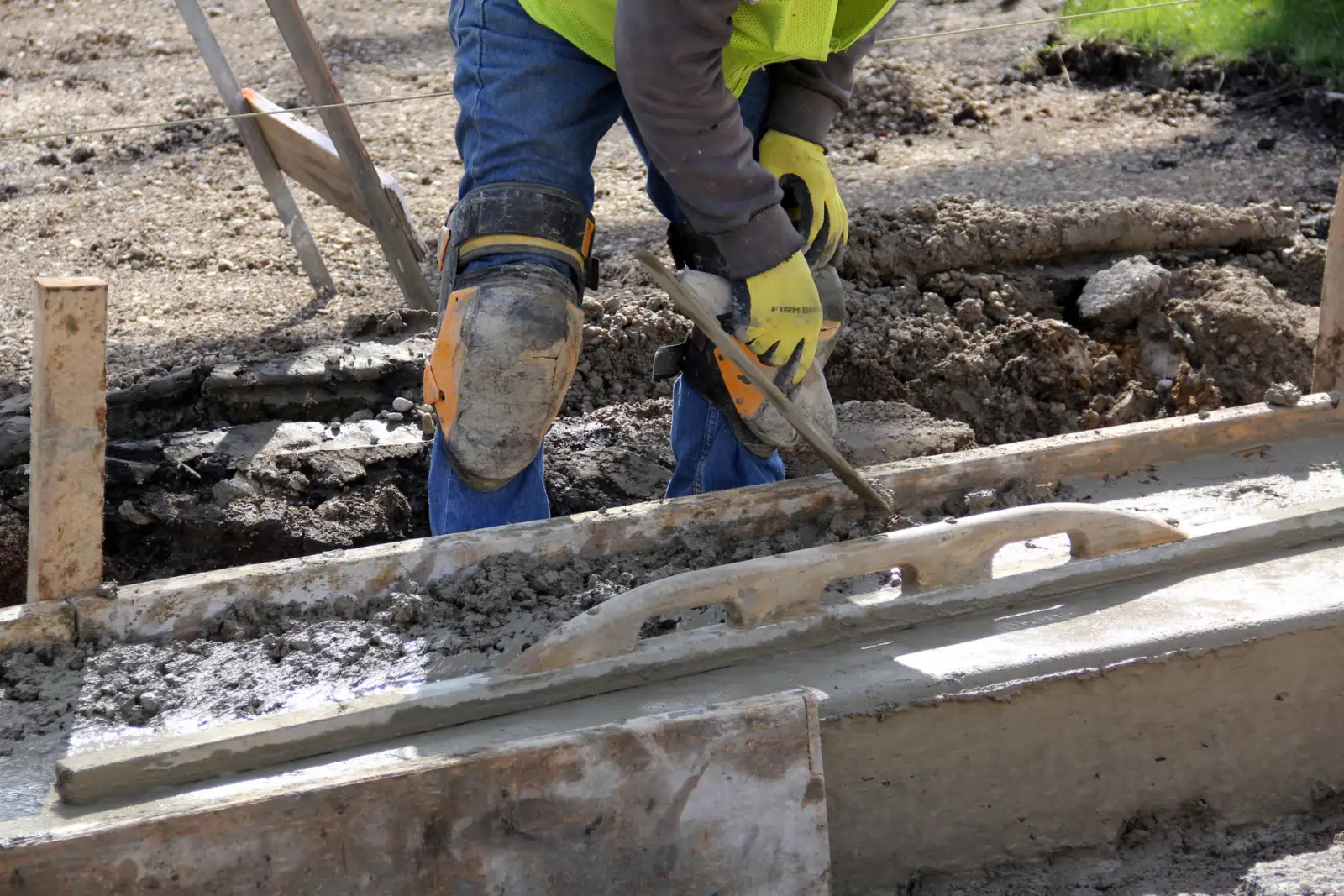
Worker in knee pads hand-tooling the edge of a fresh concrete slab along a wooden form board
(218) 447-7151
Why Local Knowledge Matters

What the Ground and the Weather Here Do to a Slab

Weathered concrete steps with a metal handrail, covered in fallen autumn leaves beside a clipped hedge

Ledge on the hill, fill in the flats

Duluth's upper neighborhoods sit on gabbro and basalt that come close enough to the surface that an excavation planned for four inches of base turns into rock work with a hammer attachment. Above London Road, through Congdon Park and Lakeside, that is the single biggest swing factor on a quote, and nobody can price it from the street. Down in West Duluth, Lincoln Park and Morgan Park the problem inverts: fill of unknown age and depth, which has to be dug out and rebuilt rather than compacted in place.

A 60-inch frost line

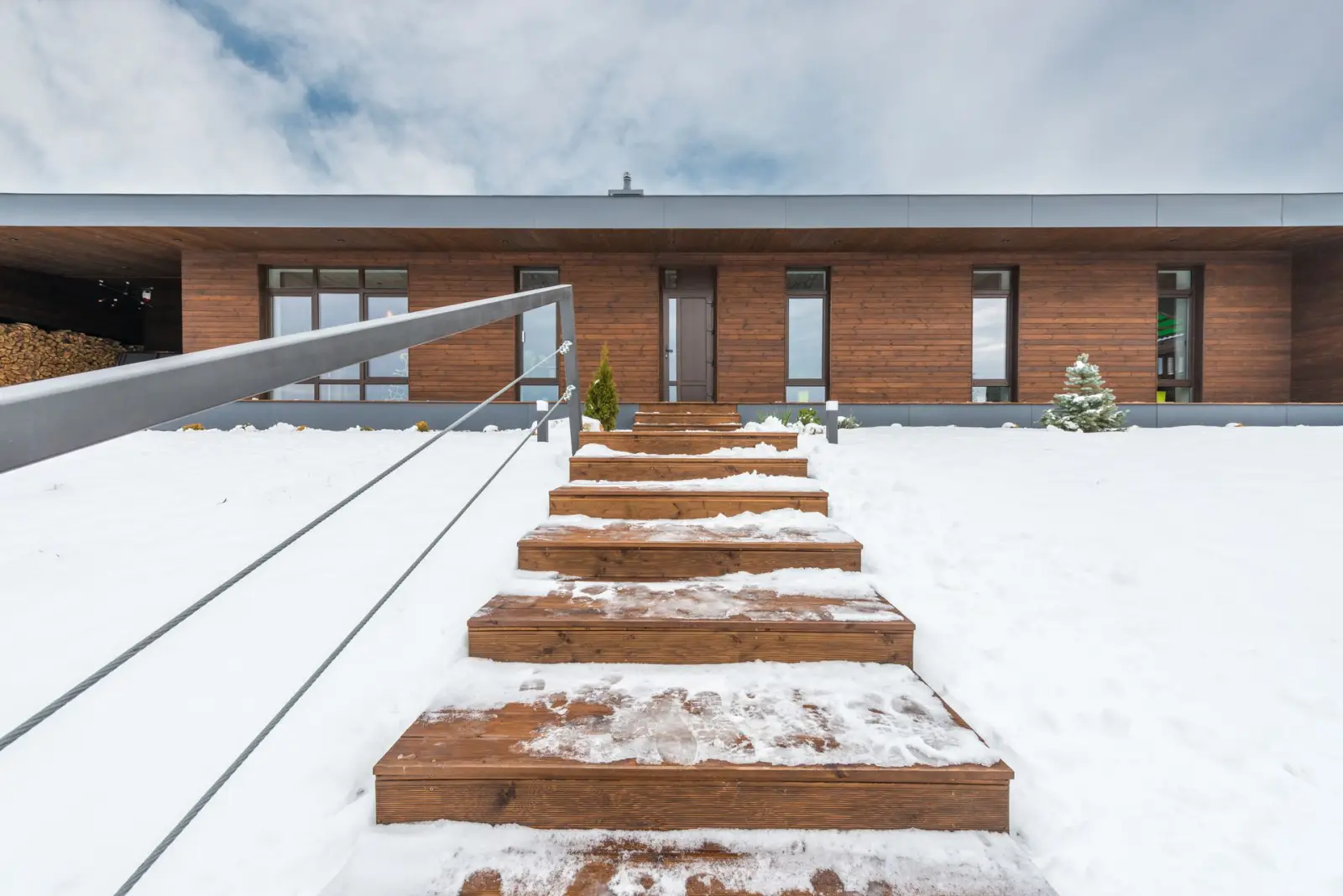
St. Louis and Carlton Counties both require footings a minimum of 60 inches below finished grade. Most of Minnesota requires 42. Anything with a footing — a flight of front steps, a foundation wall, a detached garage — carries that extra excavation in its price, which is why a set of steps costs more than its visible volume of concrete suggests. A flight set on grade or on a shallow pad instead will work for several years and then start rotating away from the house.

Freeze-thaw, then the salt

Exterior flatwork here wants a 4,000 psi mix with air entrainment in the 5 to 8 percent range — the entrained bubbles give the paste somewhere to push when the water in it freezes. That is protection against the freeze-thaw cycle, not against de-icing chemistry. Salt on a slab still gaining strength is what produces scaling, the surface flaking away in sheets a few winters later. Sand gives traction without the chemistry, and the first winter is the one that matters most.

How It Works

How a Job Actually Goes

  1. 1

    Free on-site estimate

    Nothing gets quoted from a satellite photo. The visit settles what the existing surface is, where water goes now and where it needs to go instead, what is under the slab, and whether a truck can reach the site at all. Estimates are free and carry no obligation.

  2. 2

    Tear-out, excavation and subgrade repair

    The old slab comes out, apron included, and the excavation goes to depth — slab plus full base thickness. This is where the reason the last one failed becomes visible: a buried stump hole, a loose utility trench, a downspout that has been discharging under the concrete for fifteen years. Each gets fixed before anything goes back on top of it.

  3. 3

    Base, forms and reinforcement

    Four inches of Class 5 aggregate, compacted in lifts rather than dumped and graded — two passes of two inches beats one pass of four, because a plate compactor's energy only reaches so deep. Forms lock in the grade that sheds water away from the house. Fiber mesh or #4 rebar on chairs goes in last, sized to what the slab actually carries.

  4. 4

    Pour, finish, joints and cure

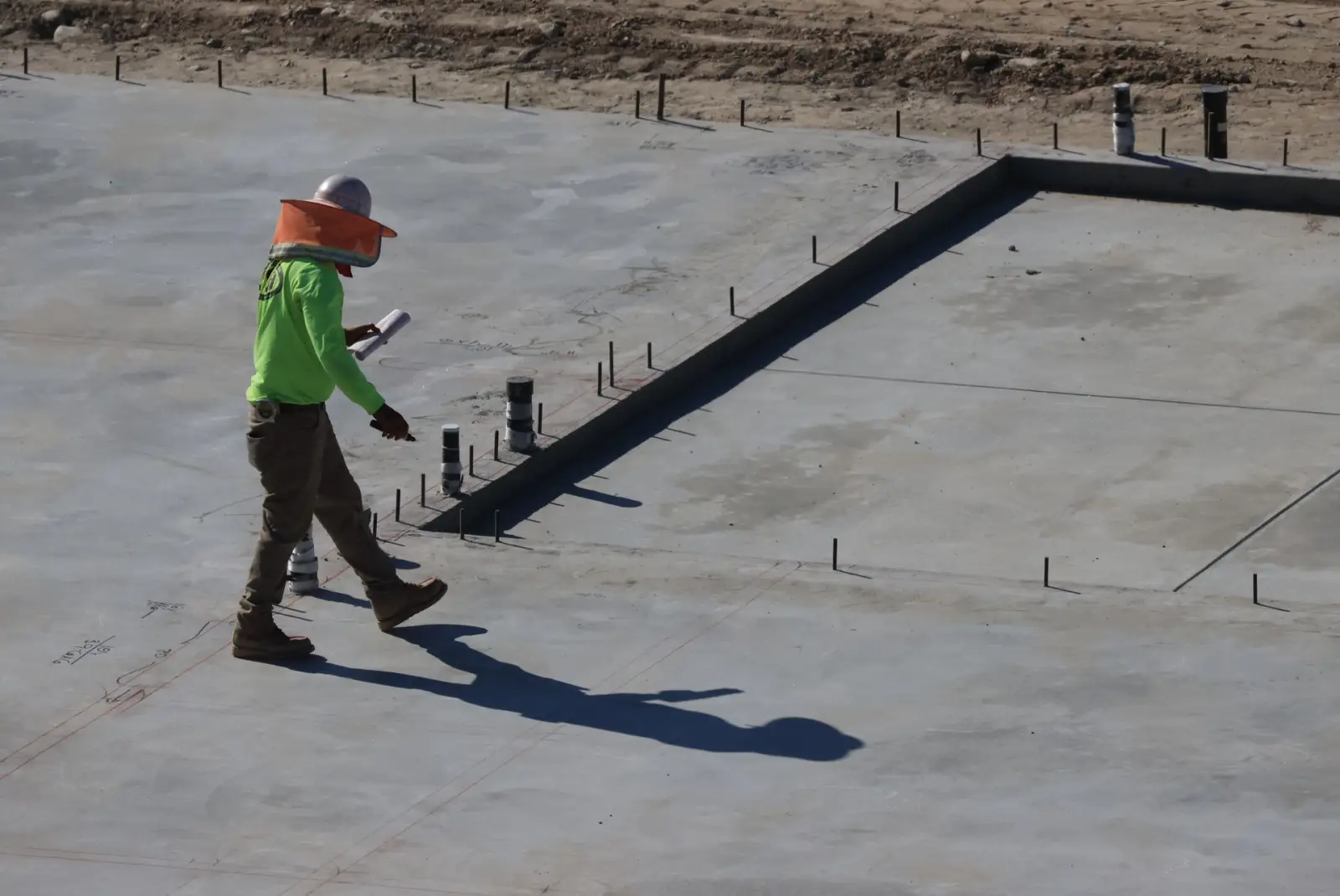
    Concrete is placed, screeded and bull-floated, then left alone — finishing too early traps bleed water and leaves a weak skin that scales off. The broom runs across the slope, not down it. Control joints are saw-cut within the first day, and curing compound holds the moisture in while the slab gains strength.

What It Actually Costs

How Much Does Concrete Contracting Cost in Duluth, MN?

HomeBlue puts un-reinforced concrete driveways in Duluth at $7 to $12 per square foot and reinforced concrete at $8 to $14. Standard flatwork across this market generally runs $5 to $13. Those are starting brackets that assume a flat lot and normal soil — and a quote landing well under them usually got there by thinning the base, skipping the compaction lifts, or planning to pour over the existing slab.

  • Square footage, and how much of it is a simple rectangle versus curves, aprons and turnarounds
  • Whether an existing slab has to come out — demolition runs roughly $1.40 to $2.30 per square foot, on top of disposal weight at about 55 pounds per square foot at four inches
  • Slab thickness and reinforcement: four inches with fiber mesh, or six inches with #4 rebar on chairs where an RV, a boat trailer or a delivery truck is part of the picture
  • Subgrade condition — whether the base can be rebuilt in place or the soil has to be over-excavated and replaced with granular fill
  • Rock. Ledge close to the surface on the hillside means hammer work, and it is the biggest single swing factor on an upper-neighborhood lot
  • Footing depth on anything structural — 60 inches in St. Louis and Carlton Counties, against 42 through most of Minnesota
  • Grade and access: a steep or narrow site a truck can't reach means the concrete gets pumped or wheeled
  • Finish: a broom finish is the baseline, with exposed aggregate, integral color, saw-cut borders and stamping each adding cost
  • Drainage work the slab makes necessary, from a regraded swale to a trench drain at the garage
ServiceCost Per Sq. Ft.Typical Job
Concrete driveway, un-reinforced$7 – $12600 sq. ft.: $4,200 – $7,200
Concrete driveway, reinforced$8 – $14600 sq. ft.: $4,800 – $8,400
Patios, walks & flatwork, broom finish$5 – $13300 sq. ft.: $1,500 – $3,900
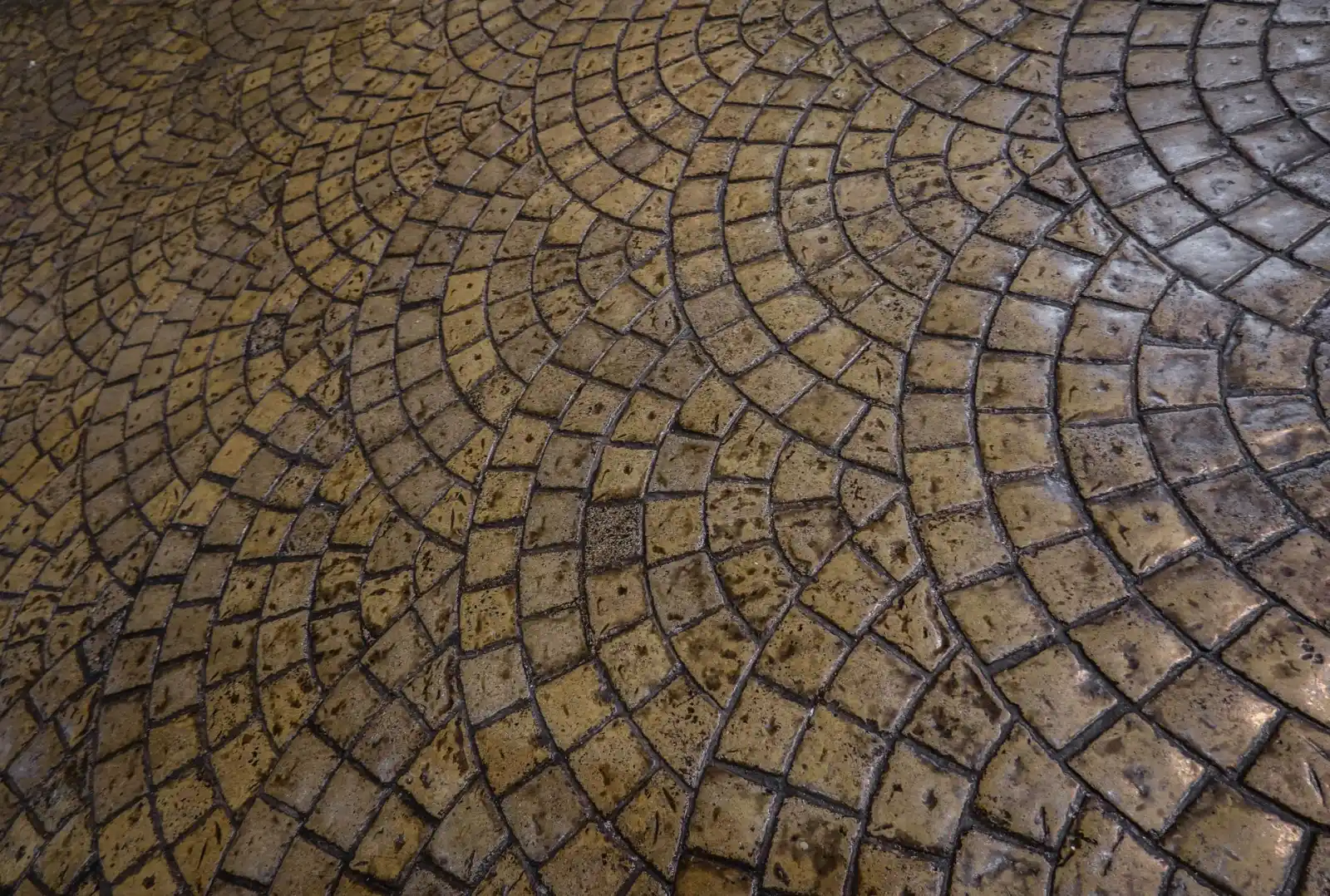
Stamped & decorative concrete$8 – $18300 sq. ft.: $2,400 – $5,400
Tear-out of the existing slab$1.40 – $2.30600 sq. ft.: $840 – $1,380

HomeBlue's Duluth per-square-foot ranges for concrete driveways and demolition, alongside the standard flatwork and decorative ranges for this market. Typical-job figures apply those rates to a 600 sq. ft. two-car driveway and a 300 sq. ft. patio, so the arithmetic is checkable. Rock close to the surface and uncontrolled fill are the two things most likely to move a Duluth number outside these brackets, and neither can be priced from the street — the final number comes after somebody has actually seen the job.

Service Areas

Serving the Duluth Area

Duluth, the Twin Ports and the cities around them are standard coverage rather than a special trip. Each one below has its own page, because the things that decide a concrete job genuinely change from one to the next — footing depth is 60 inches across the Minnesota counties and 48 inches under Wisconsin's code once you cross the bay, and the ground runs from bedrock near the surface to heavy red clay depending on which side of the hill you are on.

Who This Isn't For

When Concrete Isn’t the Right Call

Common Questions

Frequently Asked Questions

How much does concrete work cost in Duluth, MN?
HomeBlue puts un-reinforced concrete driveways in Duluth at $7 to $12 per square foot and reinforced concrete at $8 to $14, with demolition of an existing driveway adding roughly $1.40 to $2.30 per square foot. Standard flatwork across this market generally runs $5 to $13, and stamped or decorative work $8 to $18. Treat all of those as a starting bracket rather than a quote — they describe a flat lot with normal soil, and the two things most likely to move a Duluth number away from them are rock and uncontrolled fill.
How deep do footings have to go in Duluth?
A minimum of 60 inches from finished grade to the bottom of the footing. St. Louis and Carlton Counties are both on Minnesota's 60-inch list, while most of the state requires 42 inches. That extra excavation is why a flight of front steps costs more than its visible concrete suggests, and skipping it is why so many older flights around the city have settled and rotated away from the house they are attached to.
When can concrete be poured in Duluth?
The practical window runs from spring through fall. Cold-weather placement is possible with blankets, heated enclosures and admixtures, but it costs more and produces a worse slab than the same job in June, so it is worth doing only when there is a genuine access emergency. Booking early matters more here than it does in a longer-season climate, because the whole city wants the same eight weeks.
Can I use de-icing salt on a new concrete slab?
Not the first winter, and ideally not at all. Exterior concrete here should be a 4,000 psi mix with air entrainment in the 5 to 8 percent range, which gives the paste somewhere to push when the water in it freezes — but air entrainment protects against the freeze-thaw cycle, not against de-icing chemistry on a slab that is still gaining strength. Salt is what produces scaling, the surface flaking off in sheets. Sand gives traction without doing that.
Why do concrete slabs crack, and can it be prevented?
Concrete shrinks as it cures, and it will crack. Control joints are how the crack gets placed on purpose: saw-cut within the first day, cut a quarter of the slab depth, and spaced at roughly two to three times the slab thickness in inches converted to feet — about 10 to 12 feet apart on a four-inch slab, per ACI 360R. A slab with no planned joints cracks wherever it wants to, which is usually diagonally across the middle.
What areas around Duluth are covered?
Duluth and the surrounding St. Louis, Carlton and Lake County communities, including Hermantown, Proctor, Cloquet, Two Harbors and Superior across the bridge. Estimates are free and there is no obligation to book the work once you have the number.
Learn More

Back to top